

The “Book Now” Problem
We’ve made it too easy to book meetings. A candidate clicks a link, picks a time, and boom , it’s on your calendar. No conversation, no screening, no real commitment. We’ve taken out all the friction, and as a result, people now treat meetings like a maybe.
I’ve spoken with development groups who say that 35–40% of their scheduled calls never happen. Some brokers privately admit that roughly half of their franchise discovery call best practices conversations get ghosted. Zoom has made life convenient, but it’s also made it incredibly easy for people to ignore the commitment they made.
Think about it: years ago, you had to drive somewhere, shake someone’s hand, and physically show up. Today, all you need to do is not click “Join.”
Why Franchising Feels It More Than Other Industries
Most industries can shrug off a missed meeting. But franchise challenges hit differently. A discovery call isn’t just a chat — it’s the start of a very real partnership conversation. It’s where we assess fit. It’s where we look for signs of professionalism, communication, and reliability. It’s where the candidate starts to understand how serious franchising is.
When they don’t show up, it’s not just an inconvenience. It’s a message, and usually not a great one.
I’ve heard franchisors say, “If they ghost a 30-minute call, imagine what they’ll do when they’re overwhelmed in week two of operations.” And frankly, they’re right.
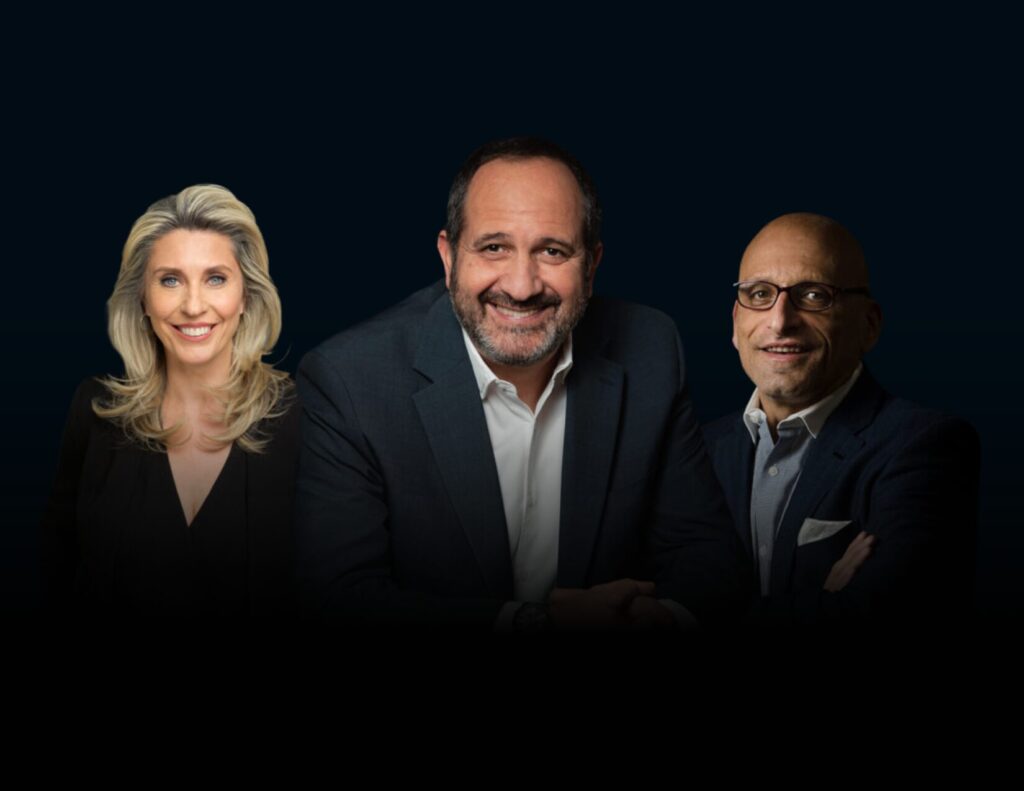
Michael Rosenberg, who has been around this industry longer than most of us, put it perfectly during a recent conversation:
“The first sign of future performance is whether someone shows up.”
Simple, but incredibly true.
What’s Behind All the No-Shows?
There’s no single reason, but the patterns are becoming obvious:
People are overwhelmed.
Candidates are talking to multiple brands, juggling work, families, and online research. When something has to give, the meeting with a franchisor they aren’t sure about yet is the first to go.
Avoidance is easier than saying ‘I’m not interested.’
A business psychologist I spoke with said something that stuck with me:
“Avoidance has become the new politeness.”
People think disappearing is less confrontational than saying no.
Virtual meetings feel optional.
No travel. No office. No social pressure. That makes it a lot easier to skip.
Some people book impulsively.
A surprising number of candidates hit “Schedule” in a moment of excitement, curiosity, or boredom, and by the time the meeting rolls around, they’re not in that headspace anymore.
None of this is malicious. It’s just modern behaviour. But franchise candidate screening still has to manage the reality of it.
What Franchisors Can Do to Improve Show Rates
There’s no magic fix, but there are strategies that dramatically reduce no-shows. The strongest franchisor development strategy systems I’ve seen all focus on one thing: teaching candidates how to treat the process.
1. Make them answer a few questions before giving them your calendar.
Investment level, timeline, preferred market, basic goals.
It forces clarity, and people who put in even 60 seconds of effort are far more likely to show up.
2. Stop underselling the meeting.
When you call it a “quick chat,” people treat it like one.
When you frame it as:
- a Discovery Call
- the First Step in the Evaluation Process
- or a Fit Assessment
…it carries more weight. This is one of the most overlooked franchise discovery call best practices.
3. Tell them what to expect before the meeting.
A short message about the agenda goes a long way.
It removes anxiety, sets expectations, and reminds them this is a professional process, not a casual drop-in.
4. Send reminders (plural).
The brands that send three reminders — booking confirmation, day-before reminder, and an hour-before reminder — consistently report stronger franchise meeting attendance.
Some development directors even send a quick text the morning of. And believe it or not, that personal touch makes a huge difference.
5. Track their behaviour.
This one is overlooked.
If someone misses multiple calls, shows up late repeatedly, or constantly reschedules, that’s not just scheduling chaos, it’s a preview of their operator habits.
In the words of franchise strategist Lyndsay Magnusson:
“How they do anything is how they’ll do everything.”
Sometimes the best decision you can make is to politely let a candidate go. This is where strong franchise candidate screening becomes a competitive advantage.

Reintroducing Something That Used to Be Common Sense: Courtesy
The irony of this whole issue is that the solution is surprisingly simple: professional courtesy.
If someone can’t make a meeting, all we really need is a quick note. That’s it. Not a paragraph. Not an apology tour. Just a message saying, “Something came up, can we reschedule?” Basic respect.
And yet, in a virtual world, this is becoming rare.
But franchising depends on communication, accountability, and partnership. Showing up — or at least communicating — is part of the DNA of a successful operator. These franchise challenges around courtesy and accountability aren’t going away on their own.
How Franchisors Can Shift This Behaviour
This trend isn’t irreversible. In fact, franchisors have the power to set expectations early and reshape behaviour long before the first Zoom meeting begins.
Here’s how.
1. Set Professional Standards at the First Touchpoint
From the first email or SMS, clearly outline expectations as part of your franchisor development strategy:
- meetings are reserved specifically for their file
- cancellations must be communicated
- rescheduling is fine, ghosting is not
People rise to the expectations they are given.
2. Require Micro-Commitments Before the Meeting
This is a proven behaviour-shifting tactic. Before the meeting:
- ask for a brief questionnaire
- confirm a territory of interest
- request a quick bio or LinkedIn
- send a short “what to expect” video
Data shows that when someone invests even five minutes ahead of the meeting, the franchise meeting attendance rate improves dramatically. LinkedIn’s 2024 Talent Report notes that completion of a short pre-screen increases attendance by 32%.
LinkedIn’s 2024 Talent Report notes that completion of a short pre-screen increases attendance by 32%.
3. Send Multi-Channel Reminders
A simple email is not enough anymore. Use:
- text reminders
- calendar event reminders
- short voice-note confirmations (extremely effective)
People ignore email. They don’t ignore their phones.
4. Humanize the Meeting
When candidates know who they’re meeting — not just the brand — they feel more accountable. This is a core element of strong franchise discovery call best practices:
Examples:
- “You’ll be meeting Jesse, our Director of Franchising, he’s prepared your file.”
- “Our VP will be joining to discuss territory availability.”
People don’t skip meetings when real people are waiting for them.
5. Name the Behaviour (Professionally) When It Happens
If someone no-shows and wants to reschedule, address it gently but directly:
“We’re happy to find another time, but we do ask that all candidates communicate cancellations. It helps us keep the process fair for everyone.”
You set the tone for how they will behave as franchisees.
The Test Starts Earlier Than People Realize
When candidates think about being evaluated, they worry about financials, market availability, and business experience. But the evaluation starts much earlier, in ways they may not even realize.
It starts the moment they book a meeting, and whether they attend it.
One of the most consistent franchise challenges I’ve observed is that operators who struggle most are often the ones who showed early signs of disengagement during the evaluation process itself.
Candidates who understand that tend to thrive in franchising.
Candidates who don’t… well, they tend to miss the meeting.